
info@cngoldensea.com
+(86)15122654356
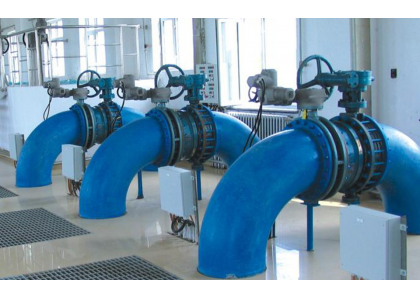
Electric valves usually need to be repaired or replaced when the following situations occur:
Frequent malfunctions: If an electric valve frequently experiences problems such as the motor not turning, the valve action being stuck, or inaccurate limit positions, and these issues persist despite multiple repairs, it may indicate that some key components of the valve have severely worn out or aged. Continuing to repair may not solve the problem thoroughly, and in such cases, it is advisable to consider replacing the electric valve to ensure the stable operation of the system.
Declining sealing performance: When the valve is closed, it fails to effectively prevent the leakage of the medium. Even after repairing the sealing components (such as replacing the gasket, repairing the valve core and valve seat, etc.), the sealing performance still cannot be restored to a good state. To prevent the leakage of the medium from causing resource waste, environmental pollution, or affecting the normal operation of the system, the electric valve needs to be replaced. For instance, in some chemical production pipelines, medium leakage may lead to safety accidents. Once the sealing performance of the electric valve cannot be restored, it must be replaced promptly.
Severe damage to components: If the motor winding of the electric valve shorts or opens, causing the motor to fail to work properly; or if the transmission components of the actuator, such as gears and chains, are severely worn or broken, affecting the normal opening and closing of the valve; or if the valve core and valve stem of the valve are deformed or broken, these component damages will directly affect the function of the valve, and the repair cost is high or the performance of the valve cannot be guaranteed after repair, generally, repair or replacement is required.
Performance does not meet requirements: As production processes improve or system operating conditions change, the original performance indicators of the electric valve (such as flow coefficient, pressure rating, control accuracy, etc.) may no longer meet the new working requirements. For example, after a system upgrade, a larger flow rate is required to pass through the valve, but the existing electric valve's diameter or flow coefficient cannot meet the demand. In such cases, a suitable electric valve of the right specification needs to be replaced.
High repair costs: When repairing an electric valve, if the repair cost approaches or exceeds the purchase cost of a new valve, from an economic perspective, replacing the electric valve with a new one may be a more appropriate choice. Additionally, it is necessary to consider whether the repaired valve can meet the requirements in terms of service life and performance stability. If there is uncertainty, it is advisable to replace the valve with a new one.
Goldensea is one of the Global leading water valve suppliers and ductile iron butterfly valve manufacturers, which was established in the year 1991. The main products are butterfly valves...[ read more ]


