
info@cngoldensea.com
+(86)15122654356
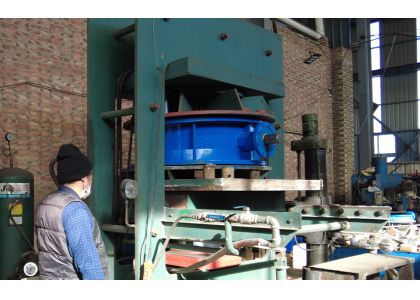
Visual inspection
Check the valve surface for wear, scratches, cracks, deformation, corrosion and other damage, these problems may lead to lax sealing. In particular, check the sealing surface, such as the contact surface between the disc and the valve seat, if there are wear grooves, pits, will affect the sealing performance.
Check valve stuffing box for media leakage. If there is a leak, it indicates that there is a problem with the packing seal, which may be aging, wear or insufficient compaction force of the packing.
Pressure test
Strength test: usually performed before valve installation. Close the valve, fill the valve body with a medium of specified pressure (such as water or air), keep it for a period of time (such as 5-15 minutes), and observe whether there is leakage or deformation of the valve shell, stuffing box and other parts. If the shell is not broken, no obvious deformation, and no obvious drop in pressure, indicating that the strength of the valve is qualified, sealing performance is preliminary good.
Tightness test
One-way seal test: For one-way seal valves, such as check valves, fill medium from the specified inlet end and observe whether there is medium leakage at the outlet end after reaching the specified pressure. If there is no leakage at the outlet end, it means that the unidirectional sealing performance is good.
Two-way sealing test: For two-way sealing valves, such as ball valves, gate valves, etc., fill medium from both sides of the valve for sealing test. Under the prescribed pressure, observe the other side and stuffing box and other parts for leakage. If there is no leakage on both sides, it indicates that the bidirectional sealing performance of the valve is good.
Bubble detection method
For some valves on low pressure pipelines, the valve can be placed in water, and a certain pressure of gas can be passed into the valve body after closing the valve. Then observe whether there are bubbles around the valve. If there are bubbles, there is a leak and the sealing performance is not good. This method is suitable for gate valve, ball valve, butterfly valve and other valves whose nominal pressure is not more than 1.6MPa and nominal diameter is not more than 400mm.
Ultrasonic testing
Use the ultrasonic detector to detect the leakage of the sealing surface of the valve. When the valve is closed and there is medium pressure, if there is leakage on the sealing surface, the leakage medium will produce ultrasonic signal, the detector can capture this signal, and determine the location and degree of leakage by analyzing the signal. This method can be carried out in the running state of the valve and does not affect the production, but it requires professional equipment and technical personnel to operate.
Pressure drop detection
Pressure sensors are installed before and after the valve to monitor the pressure change before and after the valve when it is closed. If the pressure drop exceeds the allowable range within a certain period of time, it may be that the sealing performance is not good, and the media leakage leads to the pressure drop. However, this method is affected by many factors, such as the stability of the pipeline system, the characteristics of the medium, etc., which needs comprehensive analysis and judgment.
Goldensea is one of the Global leading water valve suppliers and ductile iron butterfly valve manufacturers, which was established in the year 1991. The main products are butterfly valves...[ read more ]


