
info@cngoldensea.com
+(86)15122654356
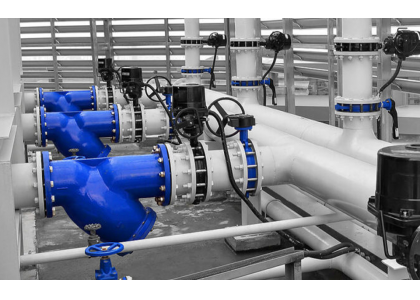
When choosing electric valves, multiple factors need to be comprehensively considered. Here are some key points to note:
Operating Conditions
Medium Characteristics: It is necessary to clarify whether the medium is liquid, gas, or solid particles, as well as its corrosiveness, viscosity, toxicity, and other properties. For instance, for highly corrosive media, electric valves made of corrosion-resistant materials such as stainless steel or lined fluorine should be selected.
Working Pressure: Understand the maximum working pressure and normal working pressure range of the system. The rated pressure of the selected electric valve should be greater than the maximum working pressure of the system to ensure the valve's sealing and safety.
Working Temperature: The temperature of the medium and the environment can affect the material and sealing performance of the valve. For example, in high-temperature environments, materials that can withstand high temperatures should be chosen; in low-temperature environments, issues such as low-temperature brittleness of the valve should be considered.
Flow Requirements: Based on the required flow rate of the system, select an electric valve with an appropriate diameter and combine the valve's flow coefficient to determine if it can meet the flow requirements.
Valve Type
Cut-off Valves: Such as gate valves, ball valves, and butterfly valves, are mainly used to completely cut off or connect the flow of media in the pipeline and are suitable for situations where precise flow regulation is not required.
Regulating Valves: Such as control valves and throttle valves, can precisely regulate the flow, pressure, and other parameters of the medium according to the system's requirements and are commonly used in processes that require precise control.
Drive Method
Type of Electric Actuator: Common types include linear, rotary, and multi-turn electric actuators. Linear actuators are suitable for gate valves and globe valves; rotary actuators are used for ball valves and butterfly valves; multi-turn actuators are used for valves requiring large torque, such as large-diameter gate valves.
Control Requirements: Based on the system's degree of automation and control accuracy requirements, select an appropriate control method, such as on-off, regulating, or intelligent types. On-off electric valves are suitable for simple on/off control; regulating types can achieve continuous flow regulation; intelligent types have more diagnostic and communication functions.
Power Requirements: Determine the type, voltage level, and frequency of the power supply to ensure that the electric valve's drive device matches the power supply conditions on site.
Other Factors
Reliability and Maintenance: Choose electric valves with a good brand reputation and quality assurance, and check indicators such as service life and failure probability. Also, consider the ease of maintenance, such as whether it is easy to disassemble and replace parts.
Installation and Space Requirements: According to the installation location and space size on site, select an electric valve with an appropriate structure and size. Also, consider the installation direction and connection method of the valve to ensure easy installation, firmness, and no impact on the operation of other equipment.
Cost Factors: Including procurement cost, installation cost, operating cost, and maintenance cost, etc.
Goldensea is one of the Global leading water valve suppliers and ductile iron butterfly valve manufacturers, which was established in the year 1991. The main products are butterfly valves...[ read more ]


