
info@cngoldensea.com
+(86)15122654356
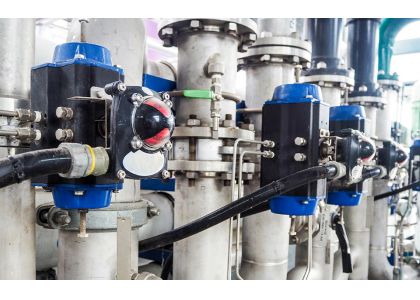
Valves are control components in fluid transmission systems, possessing functions such as guiding flow, blocking flow, regulating flow, throttling, preventing backflow, dividing flow or releasing pressure. As an important control element of pipelines, valves are crucial for the safety, flow loss, and cost of pipeline systems. It is essential to be familiar with the characteristics of valves and the steps and basis for selecting valves.
The characteristics of valves include usage characteristics and structural characteristics.
Usage characteristics determine the main performance and application scope of the valve. The usage characteristics of valves include: the category of the valve (closed circuit valve, regulating valve, safety valve, etc.); product type (gate valve, globe valve, butterfly valve, ball valve, etc.); the materials of the main components (valve body, valve cover, valve stem, valve disc, sealing surface); the transmission method of the valve, etc.
Structural characteristics determine some structural features for installation, maintenance, and servicing of the valve. The structural characteristics include: the structural length and overall height of the valve, the connection form with the pipeline (flange connection, thread connection, clamp connection, external thread connection, welding end connection, etc.); the form of the sealing surface (insert ring, thread ring, hardfacing, spray welding, valve body itself); the structure form of the valve stem (rotating stem, lifting stem) etc.
Steps for selecting valves
Clarify the purpose of the valve in the equipment or device, and determine the working conditions of the valve: applicable medium, working pressure, working temperature, etc.
Determine the nominal diameter and connection method of the pipeline connected to the valve: flange, thread, welding, etc.
Determine the operation mode of the valve: manual, electric, electromagnetic, pneumatic or hydraulic, electro-hydraulic linkage, etc.
Based on the medium conveyed by the pipeline, working pressure, and working temperature, determine the material of the valve body and internal components: cast steel, carbon steel, stainless steel, alloy steel, corrosion-resistant stainless steel, gray cast iron, malleable cast iron, ductile iron, copper alloy, etc.
Select the type of valve: closed circuit valve, regulating valve, safety valve, etc.
Determine the type of valve: gate valve, globe valve, ball valve, butterfly valve, throttle valve, safety valve, pressure reducing valve, steam trap valve, etc.
Determine the parameters of the valve: for automatic valves, first determine the allowable flow resistance, discharge capacity, back pressure, etc., and then determine the nominal diameter of the pipeline and the diameter of the valve seat hole.
Determine the geometric parameters of the selected valve: structural length, flange connection form and size, the dimensions of the valve in the height direction after opening and closing, the size of the bolt holes for connection, the overall external size of the valve, etc.
The basis for selecting valves
The purpose of the selected valve, the working conditions and control mode of use
The properties of the working medium: working pressure, working temperature, corrosion resistance, whether it contains solid particles, whether the medium is toxic, whether it is flammable or explosive, the viscosity of the medium, etc.
Requirements for the fluid characteristics of the valve: flow resistance, discharge capacity, flow characteristics, sealing grade, etc.
Installation size and external size requirements: nominal diameter, connection method and connection size of the pipeline, external size or weight limit, etc.
Additional requirements for the reliability, service life of the valve and explosion-proof performance of the electric device of the valve product
Goldensea is one of the Global leading water valve suppliers and ductile iron butterfly valve manufacturers, which was established in the year 1991. The main products are butterfly valves...[ read more ]


